
Laser Cutting vs CNC Routing | Which Is Right for Your Business?
Choosing between laser cutting and CNC routing is a critical decision for any manufacturing or fabrication business. Both technologies are widely used in modern industries, but they serve different purposes depending on material type, design complexity, and production requirements. Understanding the core differences between these two cutting methods can help you make a smarter investment and improve overall efficiency.
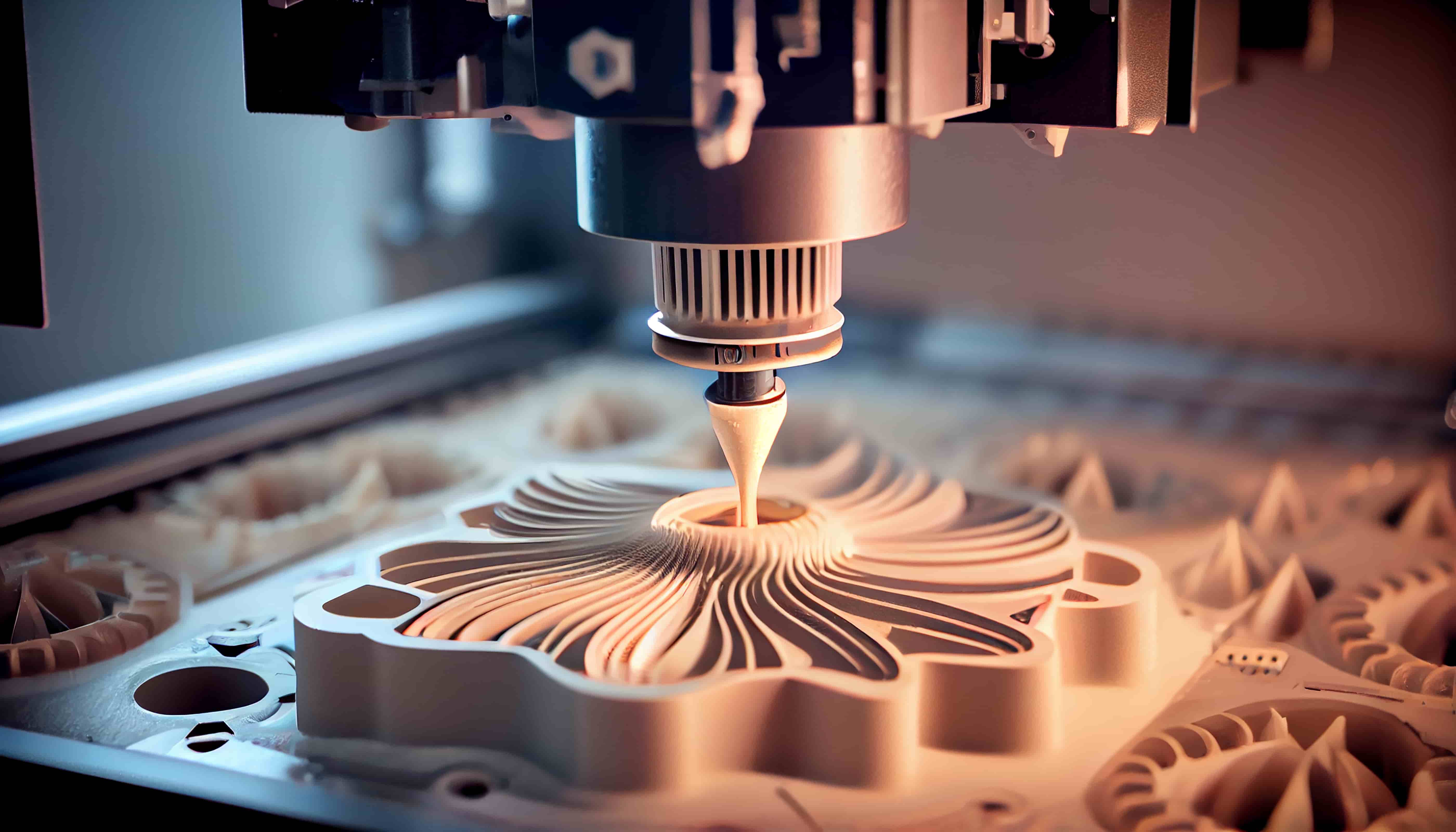
What is Laser Cutting?
Laser cutting is a highly advanced and precise cutting process that uses a focused beam of light to cut or engrave materials. It is a non-contact method, which means there is no physical tool touching the surface, resulting in extremely clean and accurate cuts. This technology is widely used for applications that require fine detailing and smooth edge finishing.
Benefits of Laser Cutting
Laser cutting offers exceptional precision, making it ideal for intricate patterns and complex designs. It produces clean and polished edges, reducing the need for additional finishing processes. Since it is a non-contact method, there is minimal material distortion and lower maintenance compared to traditional cutting tools. It is especially effective for thin materials like acrylic, sheet metal, plastic, and wood.
What is CNC Routing?
CNC routing is a subtractive manufacturing process that uses a rotating cutting tool to carve and shape materials. Unlike laser cutting, this method involves direct contact with the material, making it more powerful for heavy-duty applications. CNC routers are commonly used in industries that require deep cutting, shaping, and large-scale production.
Benefits of CNC Routing
CNC routing is highly effective for cutting thick and dense materials such as wood, MDF, aluminum, and composites. It provides strong cutting capability and is perfect for 3D carving and deep engraving. This technology is also cost-effective for bulk production, making it a preferred choice for furniture manufacturing and industrial applications.
Key Differences Between Laser Cutting and CNC Routing
The main difference between laser cutting and CNC routing lies in their cutting mechanisms and applications. Laser cutting uses a high-energy beam for precision work, while CNC routing uses a mechanical tool for strength and depth. Laser cutting is best suited for thin materials and detailed designs, whereas CNC routing performs better with thicker materials and heavy-duty tasks. Additionally, laser cutting produces smoother edges, while CNC routing may require post-processing.
When Should You Choose Laser Cutting?
Laser cutting is the right choice if your business focuses on high precision and detailed work. It is ideal for industries such as signage, decorative design, electronics, and sheet metal fabrication. If your projects involve thin materials and require clean, professional finishes, investing in a laser cutting machine can significantly enhance your output quality.
When Should You Choose CNC Routing?
CNC routing is more suitable for businesses that deal with thick materials and require robust cutting performance. It is widely used in furniture production, interior design, and industrial manufacturing. If your work involves heavy materials, deep cuts, or large-scale production, a CNC router machine will deliver better results and long-term value.
Cost and Business Impact
From a business perspective, laser cutting machines usually have a higher initial investment but offer lower maintenance and superior precision. On the other hand, CNC routers are more affordable initially but may require ongoing tool replacement and maintenance. The right choice depends on your production needs, budget, and long-term return on investment.
Making the Right Choice
There is no single solution that fits every business when comparing laser cutting vs CNC routing. If your priority is precision, speed, and fine detailing, laser cutting is the better option. However, if your focus is on strength, thickness, and cost-effective bulk production, CNC routing is the ideal solution. Many modern businesses are now combining both technologies to maximize productivity and stay competitive in the market.
By carefully analyzing your material requirements, production scale, and business goals, you can choose the technology that delivers the best performance and profitability.
Contact Success Technologies today to discuss the right cutting solution for your business — Get a Quotation or message us on WhatsApp.