
5 Costly Laser Cutting Mistakes Metal Shops Make in 2026
A laser cutting machine for metal fabrication can transform the way a fabrication shop works. Faster production, accurate profiles and digitally controlled cutting have made laser technology an important part of modern metal manufacturing.
But buying a laser cutting machine does not automatically guarantee lower production costs or better output.
In many fabrication shops, avoidable mistakes gradually increase operating costs. A machine may be capable of excellent cutting performance, yet incorrect material settings, poor machine selection, inefficient sheet utilization or neglected maintenance can reduce its real-world productivity.
For businesses investing in laser cutting technology in 2026, understanding these mistakes before they become expensive problems is just as important as comparing machine specifications.
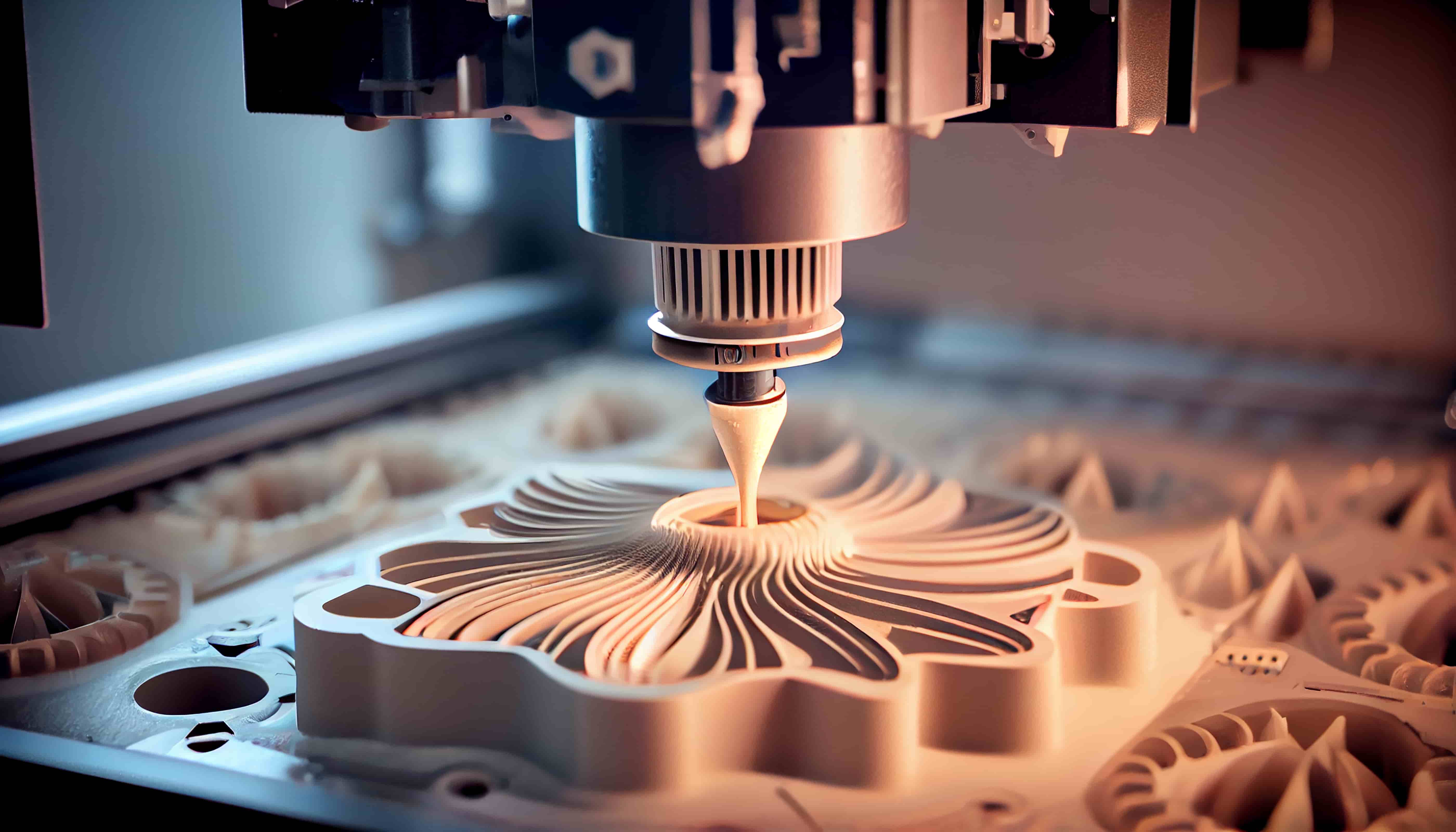
Choosing a Laser Machine Based Only on Power
One of the most common mistakes metal fabrication businesses make is assuming that a laser cutting machine with higher laser power will always provide better value. Although laser power is an important factor, it should not be the only consideration when selecting a machine.
A fabrication company that mainly processes thin stainless steel sheets may have completely different requirements from a business regularly cutting thicker mild steel plates. Selecting a machine with more capacity than the production requirement can increase the initial investment without providing a proportional benefit.
Before choosing a laser cutting machine for metal fabrication, businesses should consider the materials they process, regular material thickness, sheet size, production volume, required cutting speed and future manufacturing requirements.
The objective should be to select a machine that matches the actual production environment instead of simply choosing the highest laser power available. An experienced laser cutting machine manufacturer can help businesses evaluate these requirements and select a suitable configuration.
Using the Same Cutting Settings for Every Material
Laser cutting is not a one-setting-fits-all process. Different metals respond differently to laser processing, and the appropriate cutting parameters can also change according to material thickness.
Mild steel, stainless steel and aluminium may require different combinations of laser power, cutting speed, focus position, assist gas and gas pressure. Using unsuitable parameters can affect edge quality and production efficiency.
Incorrect settings may result in excessive dross, rough edges, incomplete cuts, burn marks or inconsistent cutting performance. In a busy fabrication environment, these problems can increase finishing work, material waste and production downtime.
Experienced operators generally maintain suitable cutting parameters for the materials and thicknesses processed regularly. The objective is not simply to cut through the material but to achieve the required edge quality while maintaining efficient production.
Ignoring Sheet Utilization
A modern laser cutting machine can produce highly accurate components, but accurate cutting does not automatically mean efficient material utilization. Poor nesting and inefficient production planning can leave unnecessary gaps between components and increase material waste.
This can become particularly expensive for fabrication businesses processing large quantities of stainless steel, mild steel or aluminium. When material costs represent a significant part of production expenses, even small improvements in sheet utilization can make a difference over time.
Modern nesting software can arrange components according to their dimensions and cutting requirements, helping manufacturers use more of each sheet. Efficient nesting can also improve production planning and reduce unnecessary scrap.
For this reason, the performance of a laser cutting machine for metal fabrication should not be judged only by cutting speed. Material utilization, nesting efficiency and production planning are also important factors when calculating the overall operating cost.
Treating Machine Maintenance as an Afterthought
Another costly mistake is waiting until a cutting problem appears before checking the machine. A laser cutting system is a precision production machine, and its components require appropriate maintenance to maintain consistent performance.
The cutting head, protective components, optics, motion system, cooling system and other machine components can influence cutting quality and production reliability. Problems that initially appear as minor edge-quality issues can eventually result in greater downtime when they are ignored.
Preventive maintenance helps identify potential problems before they become major production interruptions. Fabricators should follow the maintenance recommendations provided by their machine manufacturer and monitor changes in cutting performance.
Unusual dross, inconsistent edges, slower piercing, reduced cutting quality or unexpected machine alarms should be investigated rather than repeatedly adjusting production parameters without identifying the underlying cause.
Choosing the Machine Without Considering After-Sales Support
The final mistake often happens before the laser cutting machine reaches the production floor. Many buyers compare machines mainly on price, laser power and working area. While these specifications are important, they do not tell the complete story of a machine's long-term value.
A laser cutting machine is a long-term production investment. Installation, operator training, technical support, spare parts availability and maintenance can all influence productivity throughout the machine's working life.
Two machines may have similar specifications and prices, but the level of support provided by their manufacturers can be very different. A manufacturer that provides installation, operator training and responsive technical assistance can help a fabrication business get the machine into production more efficiently.
For this reason, businesses should evaluate the manufacturer's technical capabilities and after-sales support before making a final purchasing decision.
The Importance of Choosing the Right Laser Cutting Machine Manufacturer
The relationship between a fabrication business and its machine manufacturer should continue well beyond installation. A reliable manufacturer should understand how the machine will be used and help the customer select a configuration suitable for the intended application.
This becomes particularly important when a business works with multiple metals, different material thicknesses or changing production requirements. The right machine configuration can help a manufacturer achieve consistent cutting performance without unnecessarily increasing investment costs.
Before purchasing a machine, discuss your actual materials, regular thicknesses, production volume, sheet dimensions and component requirements with the manufacturer. This allows the machine to be evaluated against real production requirements instead of generic specifications.
Choosing an experienced laser cutting machine manufacturer can therefore be an important part of building a reliable and efficient metal fabrication operation.
Laser Cutting for Modern Metal Fabrication
The role of laser cutting in metal fabrication continues to expand as manufacturers look for greater production flexibility, accuracy and digital control.
A modern fiber laser cutting machine can integrate digital designs with automated cutting processes, allowing manufacturers to produce customized components with consistent dimensions. This flexibility is particularly useful for fabrication businesses handling different customer requirements and short production runs.
Fiber laser technology is widely used for metal processing applications where manufacturers require accurate cutting and efficient production. Depending on the machine configuration, applications can include sheet-metal components, industrial parts, signage components, enclosures and various fabricated products.
For businesses evaluating laser technology, the appropriate machine should be selected according to material type, thickness, production volume, working area and required cutting performance.
Success Technologies for Laser Cutting Applications
Success Technologies manufactures CNC and laser machines from Ahmedabad, Gujarat, serving manufacturing and commercial applications in India and international markets.
Its machine range includes fiber laser cutting machines, CO2 laser cutting machines, laser engraving machines, fiber laser marking machines and CNC router machines designed for different cutting, engraving, marking and manufacturing requirements.
For metal fabrication businesses, machine selection can be evaluated according to the required material, thickness, working area, production volume and application. Proper machine selection helps businesses choose a solution that aligns with their current production requirements while allowing room for future growth.
Success Technologies also supports customers with machine installation, operator training and technical assistance, helping businesses integrate CNC and laser technology into their production processes.
What Should a Metal Shop Consider Before Buying a Laser Cutting Machine?
The best purchasing decision begins with understanding the shop's actual production requirements rather than starting with machine specifications alone.
Businesses should evaluate the materials they currently process, the thicknesses they regularly cut, sheet dimensions, monthly production volume and the types of components they manufacture. Future production requirements should also be considered because a machine selected only for today's workload may become restrictive as the business grows.
At the same time, purchasing significantly more capacity than the business requires can unnecessarily increase the investment. The right approach is to find a balance between current production requirements and realistic future expansion.
By discussing these requirements with an experienced laser cutting machine manufacturer, businesses can make a more informed decision and select a machine configuration that fits their production environment.
A laser cutting machine for metal fabrication can improve cutting accuracy, production flexibility and manufacturing efficiency, but the final results depend heavily on how the machine is selected, configured and operated.
The most expensive mistakes are often not caused by the laser technology itself. They can result from selecting unsuitable laser power, using incorrect cutting parameters, wasting sheet material, neglecting preventive maintenance or choosing a supplier without considering long-term technical support.
In 2026, metal fabrication businesses should look beyond machine price and headline specifications when evaluating laser technology. Materials, thickness, production volume, cutting requirements, machine configuration and after-sales support should all be considered before making a purchasing decision.
The right laser cutting machine is not necessarily the most powerful machine available. It is the machine correctly matched to the materials, production requirements and future goals of the fabrication business.
Looking for the right solution for your production requirements? Success Technologies can help you evaluate suitable CNC and laser machine options for your application. Get a Quotation or contact the team to discuss your requirements.