
CNC Router Applications for Furniture, Temple Designs and Stone Carving
From a modular wardrobe panel to a temple arch or a 3D stone mural, CNC machines now do work that once took days of hand carving. This guide explains where they are used in furniture, door design, relief artwork, temple carving and stone production, and what to check before you choose a setup for your own material and design.
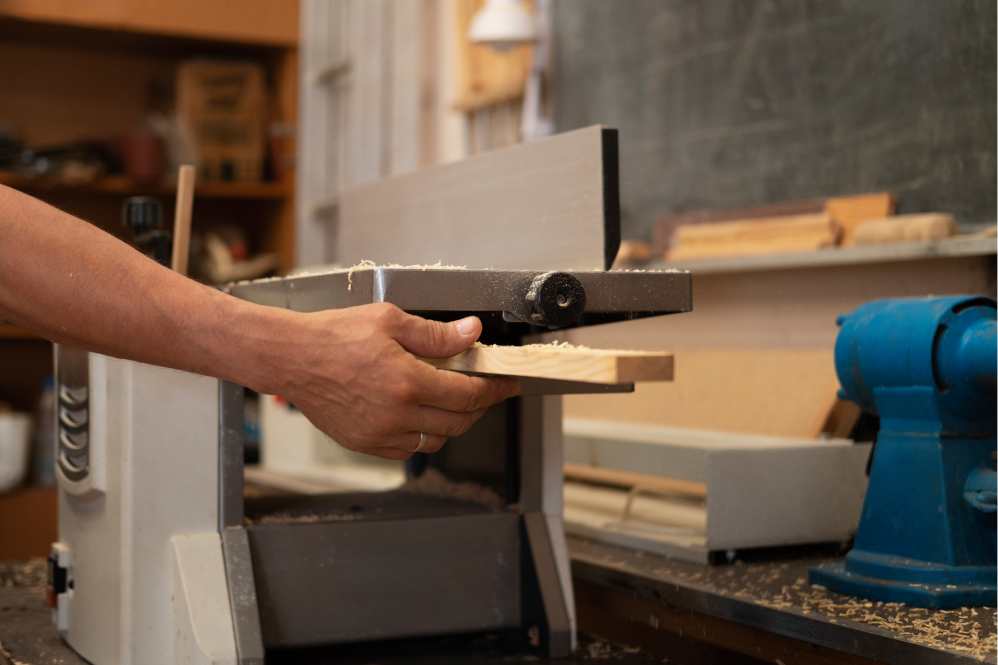
CNC Router Applications in Furniture and Door Manufacturing
Furniture is the most common use of a CNC router for furniture. One machine can cut parts from a sheet, shape edges, cut joinery slots and carve surface designs, so workshops get repeatable parts without marking each piece by hand. The same file gives the same result on the first panel and the hundredth, which matters for modular cabinets, wardrobes, beds, tables and shop fittings.
CNC router for panel cutting is a good example. Nesting software arranges parts on a full sheet to reduce waste, and the machine cuts them in one run. Typical materials are plywood, MDF, particle board and laminated boards.
MDF Jali Cutting and Decorative Panels
A CNC router machine for MDF jali cutting produces pierced screens, room dividers, wall panels, headboards and cabinet shutters with intricate patterns. Jali designs have many internal cut-outs and sharp corners, which are slow and uneven by hand but simple for a machine to repeat. Tool size limits the smallest cut-out and the tightest inner corner, so choose a pattern that suits the cutter you plan to use. Sanding and finishing follow cutting, and a well-prepared file reduces that work.
Wooden Door Designs and 2D/3D Carving
A CNC router for door design carves panels, grooves, borders and raised patterns on main doors and interior doors. CNC router for 2D and 3D carving covers two kinds of work. 2D carving cuts flat grooves, V-engraved lines and pockets. 3D carving follows a depth map to form raised flowers, leaves, figures and sculpted surfaces. Timber species matters: dense hardwood and soft wood behave differently under the cutter, so test your wood before you quote a large order.
3D Relief Carving CNC Machine for Decorative Artwork
A 3D relief carving CNC machine carves shapes that rise and fall across a surface, such as a lotus on a wall panel, a peacock on a door or a landscape on a plaque. The machine reads a relief model and removes material in layers, first with a rough pass and then with a fine finishing pass using a ball-nose or similar tool.
The results depend on three things: the quality of the relief file, the tool path strategy and the material. Wood, MDF, foam and some synthetic boards carve easily. Fine detail needs a small finishing tool and more machining time, so plan for that when you price an order. Decorative artwork sells well to interior designers, architects and gifting buyers because each design can be changed without new tooling.
Stone Wall Art and 3D Mural CNC Carving
A stone wall art CNC carving machine turns marble, sandstone, granite and similar stones into wall panels, nameplates, jali screens and garden features. 3D mural CNC carving extends this to large relief scenes, often made from several panels that fit together on site.
A 3D relief stone carving CNC machine must handle the stone's hardness and the dust or slurry it creates. Water cooling, dust control, a rigid frame and stone-suitable tooling are normal parts of this work. Stone types differ widely in hardness and in how they chip, so confirm your stone with the manufacturer before you decide the configuration.
CNC Machine for Temple Carving and Mandir Designs
A CNC machine for temple carving is used for mandir panels, pillars, arches, jaali screens, doorframes and domed ceiling pieces. These designs combine repeated geometric patterns with detailed floral and figure work, which suits CNC production well. A mandir CNC machine setup is common in two cases: home temples made of wood or engineered boards, and larger temple projects in stone or marble.
CNC does the heavy carving and keeps the left and right sides of a design identical. Artisans then add fine detail and finish where a handmade look is wanted. This split lets a workshop take larger orders without losing traditional style.
Murti and Idol Carving CNC Machine Applications
A murti carving CNC machine creates the rough form and much of the detail of an idol from a 3D model. An idol carving CNC machine that works on more than one side, or with a rotary axis, can shape a figure in the round. Flat relief idols on panels are simpler and can be carved from the top.
Fine features such as faces, fingers and jewellery usually need a very small tool and careful hand finishing. Work with your design team on the 3D model, because the quality of the model decides the quality of the idol.
Multi-Head Stone Carving CNC Machine for Production
A multi-head stone carving CNC machine carries more than one spindle, so several identical pieces are carved in the same run. It suits repeat orders such as jali panels, nameplates, tiles, pillars and standard temple elements. Output rises, but the pieces must be the same size and design, and the stone must be held securely on the bed.
For one-off murals and custom idols, a single head is often more practical. Choose the number of heads from your order pattern, not from the highest number available.
How to Select a CNC Machine for Your Material and Design
- Material: wood and MDF, stone, or both. Stone needs a different frame, spindle and cooling than wood.
- Working area: match the bed to your largest panel or door, not to an occasional oversize job.
- Carving depth and detail: deep 3D relief needs more machining time and suitable tooling.
- Production volume: single head for custom work, multiple heads for repeat designs.
- Software and files: check which design and toolpath software you will use and who will prepare the relief models.
- Dust and cooling: plan extraction for wood and MDF, and water or slurry handling for stone.
- Support: ask about installation, training and service before you buy.
Ask for a sample carve on your own material if you can. It shows the real finish better than any brochure.
Frequently Asked Questions
Can one CNC machine handle both furniture panels and decorative carving?
Yes, for wood-based materials. A CNC router can cut panels, make MDF jali and carve 2D or 3D designs on doors, using different tools and toolpaths. Stone work usually needs a different, more rigid setup.
What file do I need to start 3D relief carving?
You need a 3D relief model, often a height map or relief file made in design software, plus a toolpath for the machine. Many carving shops buy or commission ready relief designs.
Can the same machine carve wood and stone?
Not always. Stone is harder and creates heavy dust or slurry, so it needs a suitable frame, spindle, tooling and cooling. Tell the manufacturer your stone type before you choose a machine.
Is a CNC machine used for mandir and murti work?
Yes. Machines carve temple panels, pillars, arches and idol forms in wood, stone and other materials. Hand finishing is usually still needed on fine details of a murti.
What is the benefit of a multi-head stone carving machine?
Several heads carve identical pieces at the same time, which raises output for repeat designs such as panels, jali and decorative tiles.
What should I tell a manufacturer before buying?
Share your material, the biggest piece you will make, the carving depth and detail you need, and your daily output. These decide the working area, spindle and machine configuration.
Explore CNC Router Solutions from Success Technologies
Success Technologies is a manufacturer based in Ahmedabad, Gujarat. If you are planning furniture, door, temple or stone work, you can explore our CNC router solutions, or see our CNC engraving and router machine range. Tell us your material, carving requirements, working area and production needs, and our team will discuss material compatibility and a suitable configuration: contact Success Technologies or call +91 99989 61184.